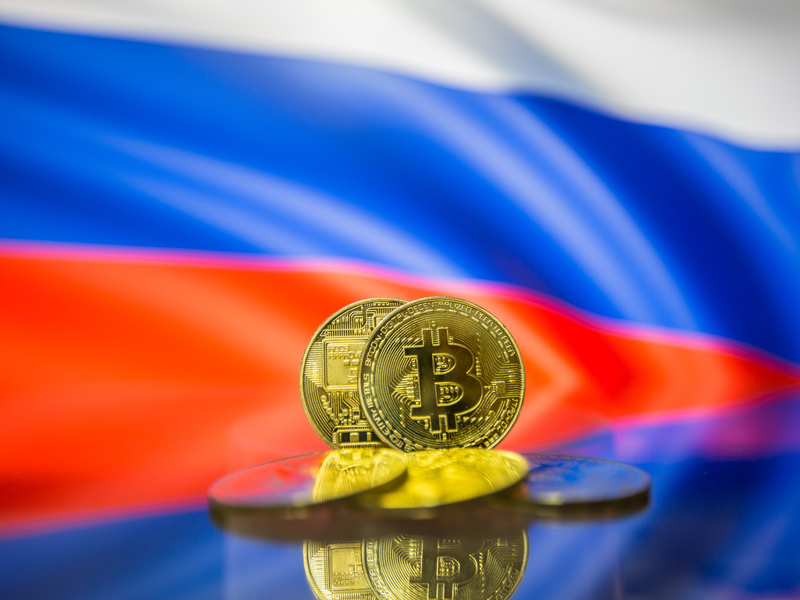
Is Russia Entering an Era of State Control Over Cryptocurrency?
Russia has formalized sanctions against users of “gray market” cryptocurrencies, effectively declaring a transition to a state-controlled cryptocurrency system.
According to investment media outlet FXLeaders on February 20 (local time), the Russian government announced at the Yekaterinburg Cybersecurity Forum that it will end its existing “experimental regime” and shift to a comprehensive state-managed legal framework by July 1, 2026. Moscow’s hardline shift is driven in part by the outflow of approximately $15 billion in annual fees to overseas exchanges such as Bybit and OKX.
Elvira Nabiullina, governor of the Bank of Russia, stated that unregulated cryptocurrency transactions have become a major channel for fraud. Over the past 90 days, around 1,800 individuals have had their bank accounts frozen for suspected involvement in suspicious transactions, many of whom were reportedly ordinary users caught up in small-scale trades with acquaintances. She warned of stronger regulations, emphasizing that “cryptocurrency transactions conducted through unsupervised channels must be held accountable.”
Meanwhile, major banks see new opportunities in the shift. VTB, Russia’s second-largest bank, is seeking to allow direct cryptocurrency trading through standard brokerage accounts and is also reviewing plans to provide crypto payment solutions to export companies struggling under sanctions. There is also discussion of classifying Bitcoin (BTC) and stablecoins as “monetary assets” to be included on financial statements.
If the new bill is finalized, the annual purchase limit for retail investors could be capped at approximately 300,000 rubles. The list of approved tokens is expected to be strictly limited to assets such as BTC, Ethereum (ETH), and Toncoin (TON). Holders of overseas cryptocurrencies would be required to report to tax authorities, while unauthorized trading could face penalties equivalent to operating an unlicensed financial business. Authorities are also considering blocking access to unregistered foreign exchanges through the Russian communications and media regulator Roskomnadzor.
The key timeline has also been clarified. The State Duma is set to vote on the final proposal in June 2026, with the new law taking effect on July 1. From July 1, 2027, criminal liability will apply to unauthorized cryptocurrency trading. Russia’s cryptocurrency market is likely to undergo a rapid restructuring from a “Wild West” model centered on global platforms to a system led by domestically licensed exchanges and banks.
Disclaimer: This article is for investment reference only, and we are not responsible for any losses incurred based on its content. The information provided should be interpreted for informational purposes only.  <저작권자 ⓒ 코인리더스 무단전재 및 재배포 금지>
|


  많이 본 기사
English 많이 본 기사
|