White House Takes Action as Bitcoin 'National Reserve' Scenario Set in Motion
White House Takes Action as Bitcoin 'National Reserve' Scenario Set in Motion
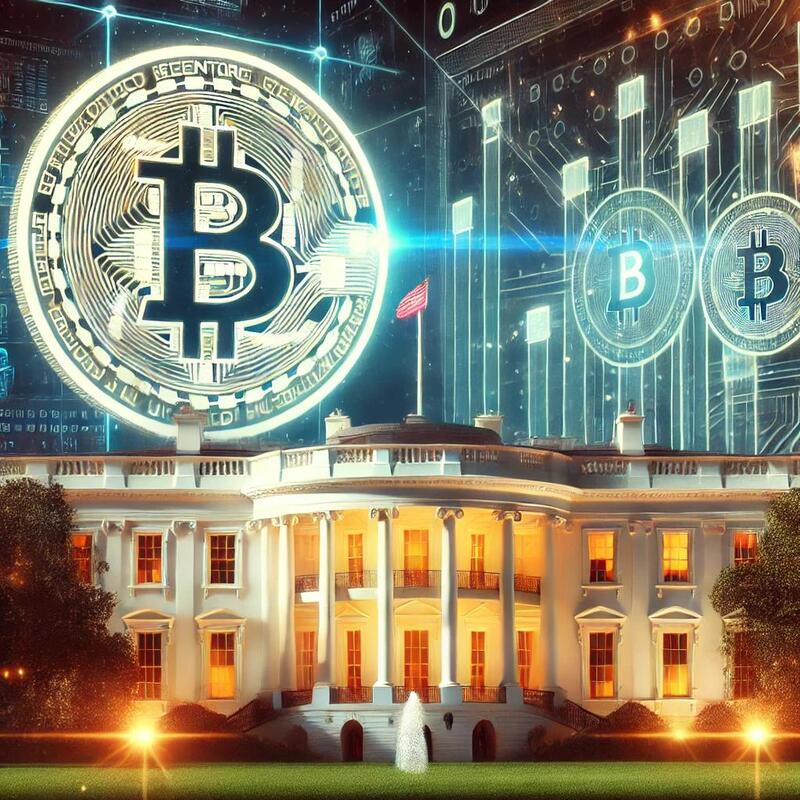
As the U.S. administration moves to establish Bitcoin (BTC) as a strategic reserve asset and major institutions enter the market, the cryptocurrency sector has reached a massive inflection point poised to reshape the global financial order.
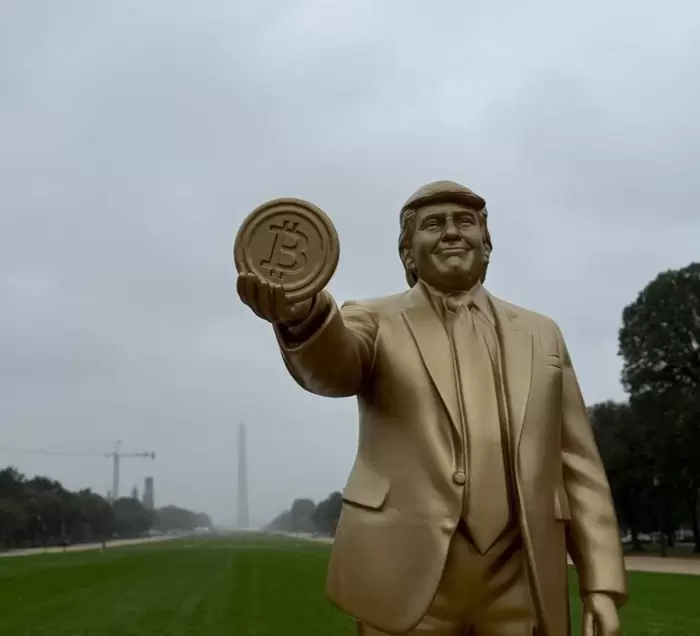
In a video released on February 14 (local time), crypto-focused YouTube channel Altcoin Daily spotlighted the reasons behind Bitcoin’s strong rebound near the $70,000 level and the market’s explosive growth potential. As Truth Social, founded by U.S. President Donald Trump, applied to launch spot ETFs for Bitcoin and Ethereum (ETH), raising market expectations, news that new legislation could be introduced in Congress to enable large-scale Bitcoin purchases at the White House level became a decisive catalyst. Treasury Secretary Scott Bessent also urged Congress to swiftly pass a U.S. crypto market structure bill to establish clear federal rules for digital assets, reinforcing policy support.
The institutional push is fundamentally reshaping the investment landscape. ARK Invest CEO Cathie Wood recently purchased approximately $15.2 million worth of Coinbase shares, adding momentum to market optimism. Strategy Chairman Michael Saylor has strongly argued that the United States should accumulate millions of Bitcoins to secure digital asset dominance, while the fact that 13 governments are already directly mining Bitcoin with central government budgets demonstrates that cryptocurrencies have been elevated to the status of national strategic assets.
Within the altcoin market, fortunes are diverging as infrastructure for the next-generation financial system continues to take shape. A German financial media outlet projected that XRP could become a central pillar of a new financial order and reach $9 in the long term, while Cardano (ADA) is enhancing its technical maturity through the development of Midnight, a privacy-focused sidechain. In contrast, Shiba Inu (SHIB) saw its token burn rate plunge 100% over the past 24 hours, raising warning signs about its supply management strategy and highlighting ongoing volatility within the meme coin sector.
Internal controls and liquidity shifts at global exchanges have also emerged as key variables. According to Bitcoinist, Binance is facing allegations that it dismissed five internal investigators who raised concerns about potential sanctions violations involving Iran, bringing regulatory risks back into focus. Meanwhile, NewsBTC reported that XRP deposits on Binance have fallen to a two-year low of 2.5 billion XRP. The outflow of approximately 700 million XRP over the past 15 months is interpreted as a sign of potential supply shortages, as investors transfer holdings to private wallets for long-term storage.
Macro investor James Lavish predicted that Bitcoin could surpass $1 million in the early 2030s as the current knowledge gap in the market narrows. Once university endowments such as Harvard and Yale and large pension funds begin to incorporate Bitcoin as a core asset, price volatility is expected to decrease, forming a stable upward trajectory. Wood also assessed that Bitcoin will serve as the most effective hedge not only against inflation but also in deflationary environments driven by disruptive technological innovation, ultimately establishing itself as a new global financial standard.
Disclaimer: This article is for investment reference only and we are not responsible for any losses resulting from investment decisions based on this content. The information provided should be interpreted solely for informational purposes.  <저작권자 ⓒ 코인리더스 무단전재 및 재배포 금지>
|


  많이 본 기사
English 많이 본 기사
|