Bitcoin No Longer ‘Digital Gold’... Expert Warns of Repeat of 2020 COVID Crash
Bitcoin No Longer ‘Digital Gold’... Expert Warns of Repeat of 2020 COVID Crash
Recently, as Bitcoin (BTC) experienced a sharp decline, criticism has surged claiming that it has lost its status as a safe-haven asset amid global economic shocks. There are also assertions that the market has entered an extreme fear phase similar to the crash during the COVID-19 pandemic in 2020.
Nic Puckrin, co-host of the cryptocurrency-focused YouTube channel Coin Bureau, analyzed in a video released on February 25 (local time) the destructive impact that the U.S. government’s surprise implementation of a 15% global tariff has had on the virtual asset market and the ongoing outflow of Wall Street capital.
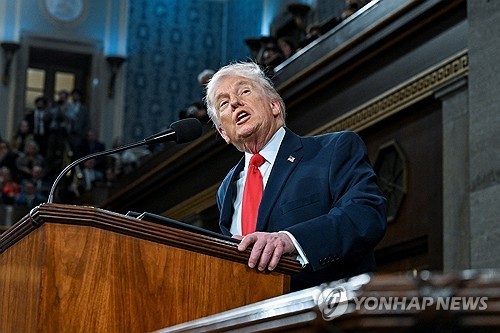
Puckrin pointed out, “After U.S. President Donald Trump imposed emergency global tariffs under Section 122 of the Trade Act, Bitcoin’s price plunged to $64,090, completely breaking its correlation with gold.” He explained, “During the same period, physical gold prices surged more than 2.6%, rising near all-time highs. Meanwhile, Bitcoin recorded a strong 0.72 correlation with the Nasdaq index, behaving like a high-risk asset.”
Macroeconomic indicators also show trends unfavorable to Bitcoin. The Personal Consumption Expenditures (PCE) index, the Federal Reserve’s preferred inflation gauge, rose 3% year-over-year, significantly exceeding the 2% target. The introduction of tariffs is likely to further stimulate consumer prices and deepen inflation, leaving the Fed caught between cutting interest rates to defend against economic slowdown and containing rising prices. This stagflation risk exerts severe downward pressure on risk assets, including Bitcoin.
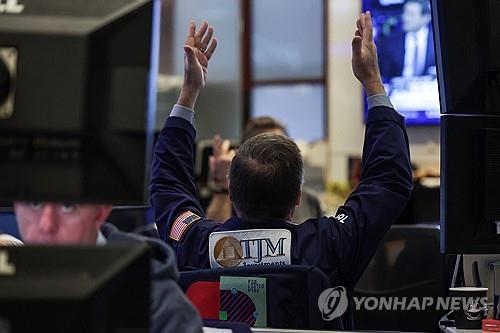
Market fear has reached an extreme, with the Fear and Greed Index dropping to 5 out of 100. It is the first time such a level has been recorded since the crash during the COVID-19 pandemic in March 2020, suggesting that investor capitulation may be imminent. According to on-chain data analytics firm Santiment, rising retail FOMO, combined with profit-taking and stop-loss selling, has maximized volatility. However, historically, in all nine instances when Bitcoin underwent corrections of 40% to 50% from previous highs, it eventually recovered and surpassed its former peak, offering an important implication.
On the supply side, Bitcoin’s strong scarcity remains intact. The daily issuance is currently capped at 450 BTC, and its annual inflation rate stands at around 1%, making it mathematically more scarce than gold. Although short-term position unwinding by hedge funds and temporary institutional outflows are pressuring the market, approximately $85 billion in long-term capital remains within spot Bitcoin ETFs. Once short-term market turmoil subsides and supply constraints begin to have a tangible impact, Bitcoin may attempt a structural rebound.
Disclaimer: This article is for investment reference only and the publisher is not responsible for any investment losses incurred based on it. The content should be interpreted solely for informational purposes.  <저작권자 ⓒ 코인리더스 무단전재 및 재배포 금지>
|


  많이 본 기사
English 많이 본 기사
|